TheosIndex is a free study library for the Bible and the Christian faith. Read verse by verse Bible commentary, search a Bible dictionary, build custom Bible reading plans, follow topical study roadmaps, read classic Christian books, and find a church, a Christian bookstore, or an event near you.
Every resource is free to use. Draw on trusted commentary, reading schedules, memory verses, daily devotionals, and sermons from Spurgeon and Calvin, all sourced from classic biblical scholarship trusted by pastors and scholars for centuries.
Explore the Bible and Christianity
Quick links
Daily Devotionals
A reading for today
Memory Verses
Verses for memory and prayer
Topical Roadmaps
Guided Scripture learning paths
Christian Classics
Classic Christian books, free
Explore the Bible and Christianity
Study the Bible, explore the faith, and find a community near you.
Memory Verses
Verses for memory and prayer
Key verses from Scripture to reflect on and memorize.
Topical Roadmaps
Guided Scripture learning paths
Learning paths with key passages and resources.
Christian Classics
Classic Christian books, free
Great works of Christian literature, free to read.
Sourced from classic biblical scholarship, trusted by pastors and scholars for centuries.
Christian Classics
Browse all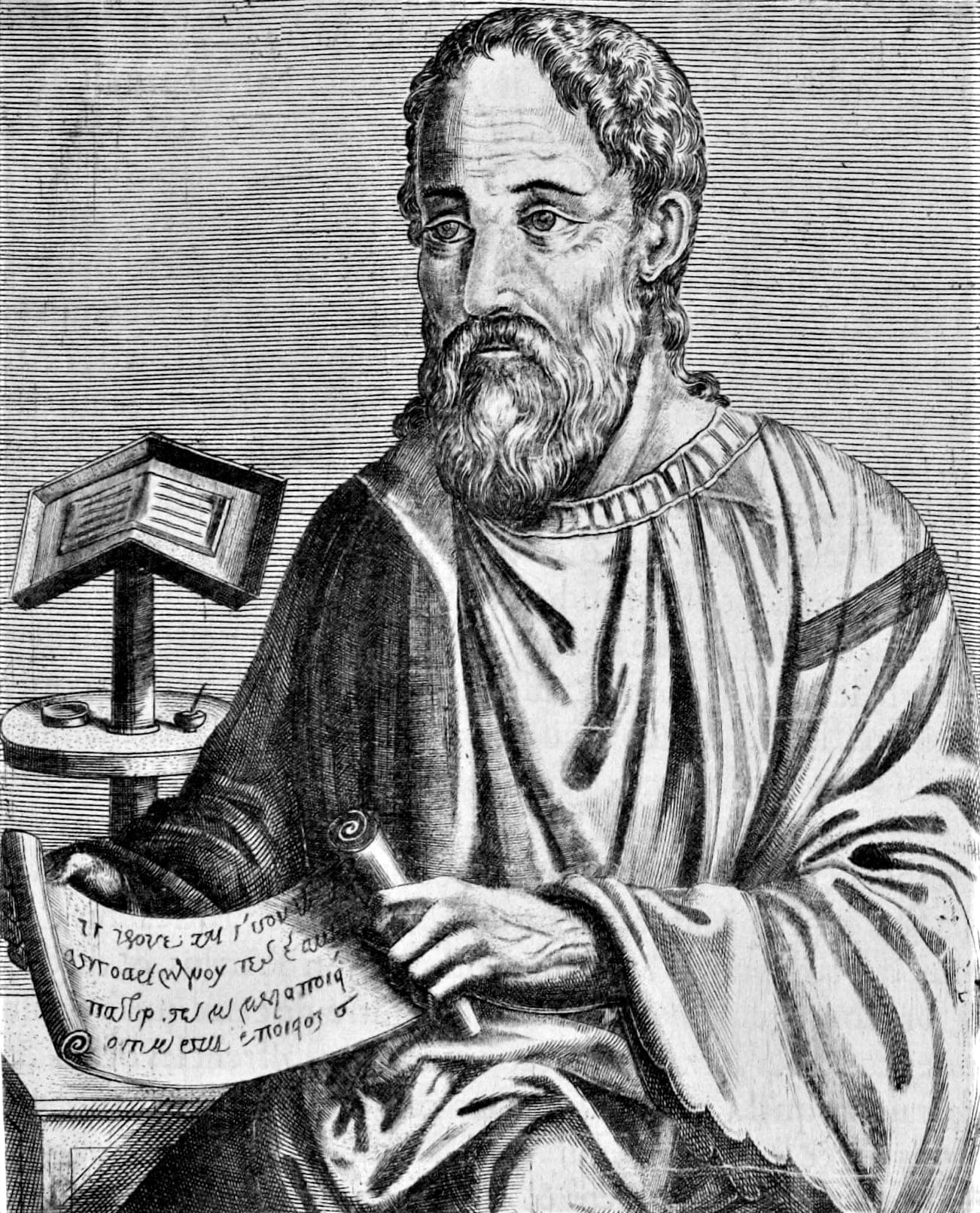
The foundational text of Christian historiography, written by the bishop of Caesarea in the early fourth century. Eusebius traces the succession of apostles and bishops, the spread of the Gospel, heresies and their refutations, the fate of the Jewish nation, the persecutions under Rome, and the martyrs who died in witness to the faith, from the time of Christ through the reign of Constantine. The only surviving continuous account of the first three centuries of the church.
Church History
Eusebius of Caesarea
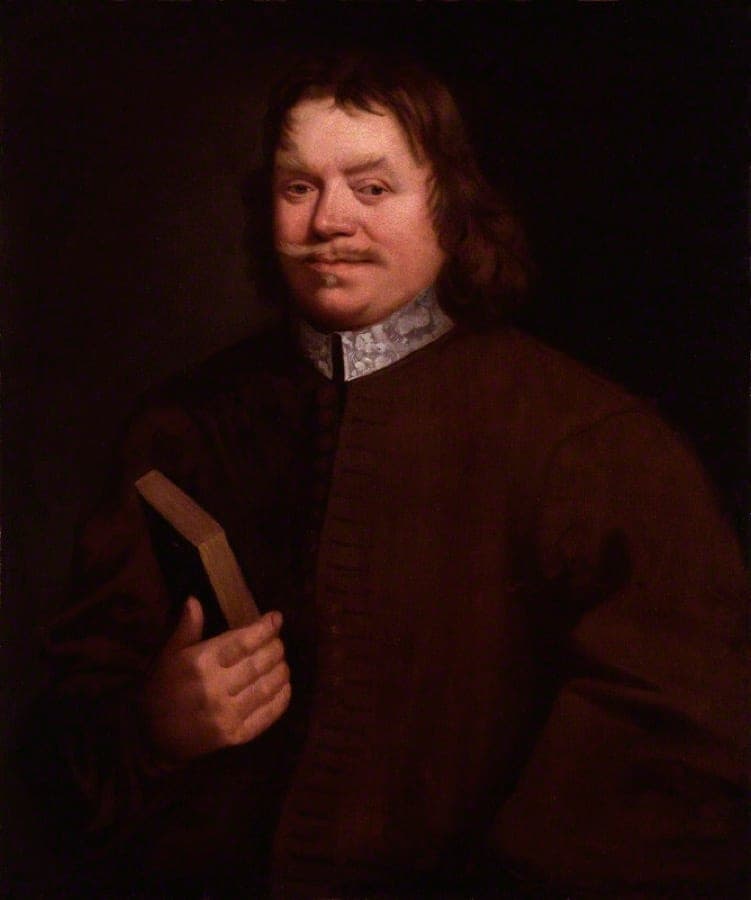
Bunyan's spiritual autobiography, written in prison, recounts his years of spiritual terror and eventual peace through the gospel. Raw, honest, and theologically serious, it reads like a spiritual companion to Augustine's Confessions.
Grace Abounding to the Chief of Sinners
John Bunyan
The first of five books against Gnosticism, written by the Bishop of Lyon in the late second century to expose the Valentinian system and its offshoots. Irenaeus describes each sect's cosmological myths in their own terms before dismantling them, giving us the most comprehensive account of second-century Gnosticism that survives. It opened a new genre: systematic engagement with heresy, showing what the Church believed by showing what it rejected.
Against Heresies: Book One
Irenaeus of Lyon
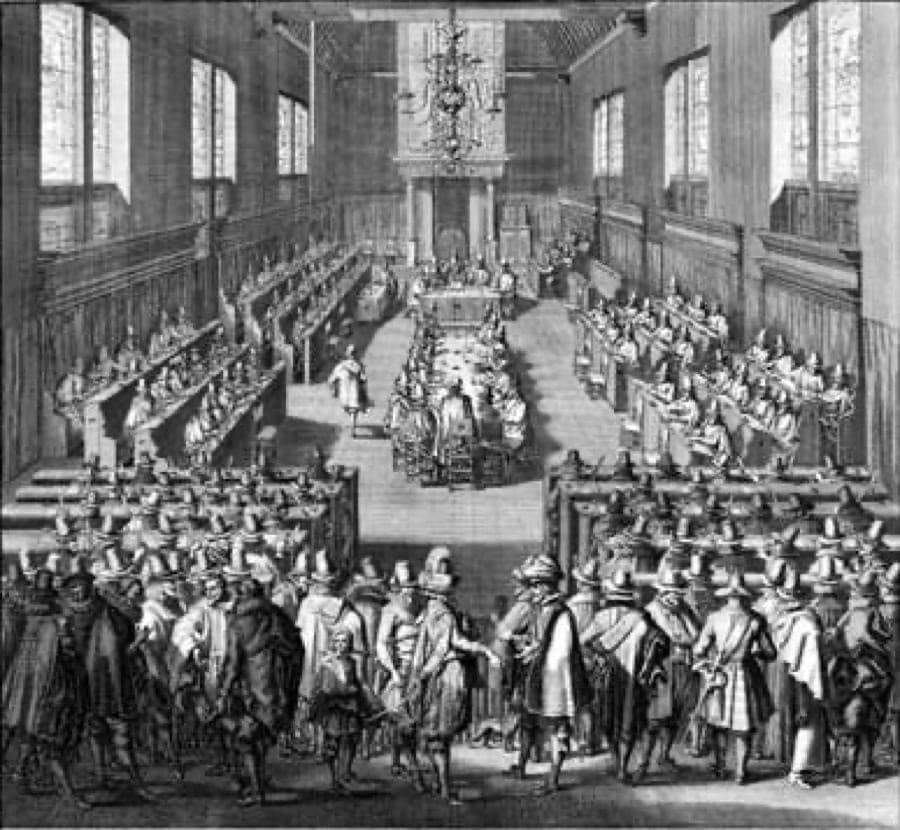
Produced by an international Reformed synod convened to address the Arminian controversy, the Canons of Dort define the five heads of Calvinist soteriology: total depravity, unconditional election, definite atonement, irresistible grace, and perseverance of the saints.
Canons of Dort
Synod of Dort
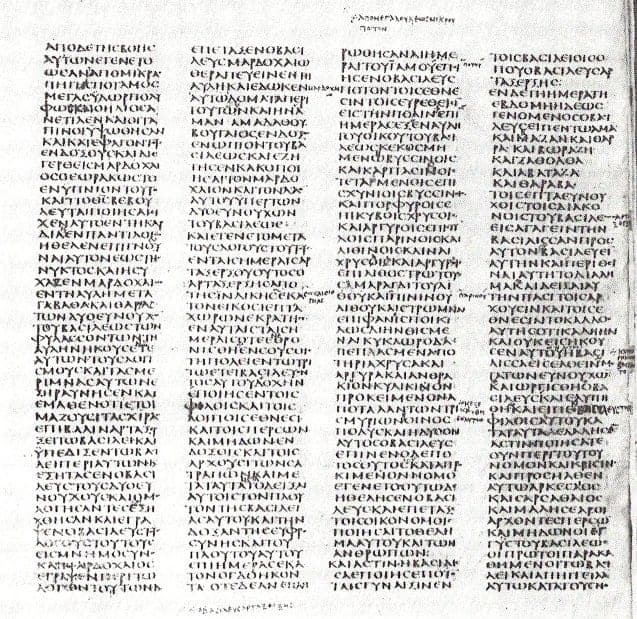
Written in the late first or early second century, this early Christian letter argues that the Old Testament covenant was never truly Israel's, and that its laws were always meant to be read as allegory pointing to Christ. Its three interlocking arguments cover the abolition of Jewish ritual, the spiritual reinterpretation of the Mosaic law, and a closing two-ways section on Christian ethics. Preserved complete in the Codex Sinaiticus and treated as scripture by some early churches, it remains the most uncompromising supersessionist text among the Apostolic Fathers.
The Epistle of Barnabas
Anonymous
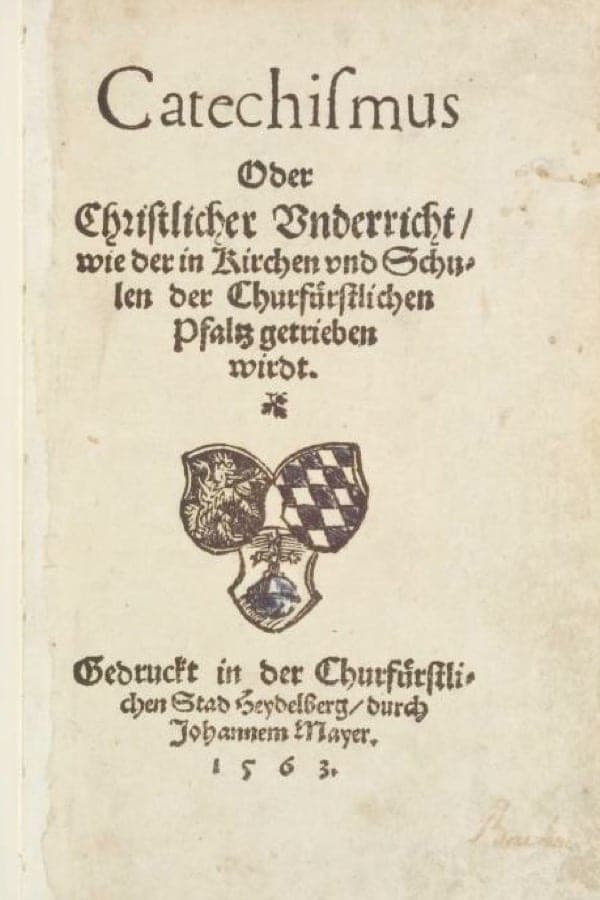
Commissioned by Elector Frederick III of the Palatinate, the Heidelberg Catechism covers sin, salvation, and gratitude across 129 questions organized into 52 Lord's Days. It opens with one of the most beloved questions in Christian history: what is your only comfort in life and death?
Heidelberg Catechism
Zacharias Ursinus and Caspar Olevianus
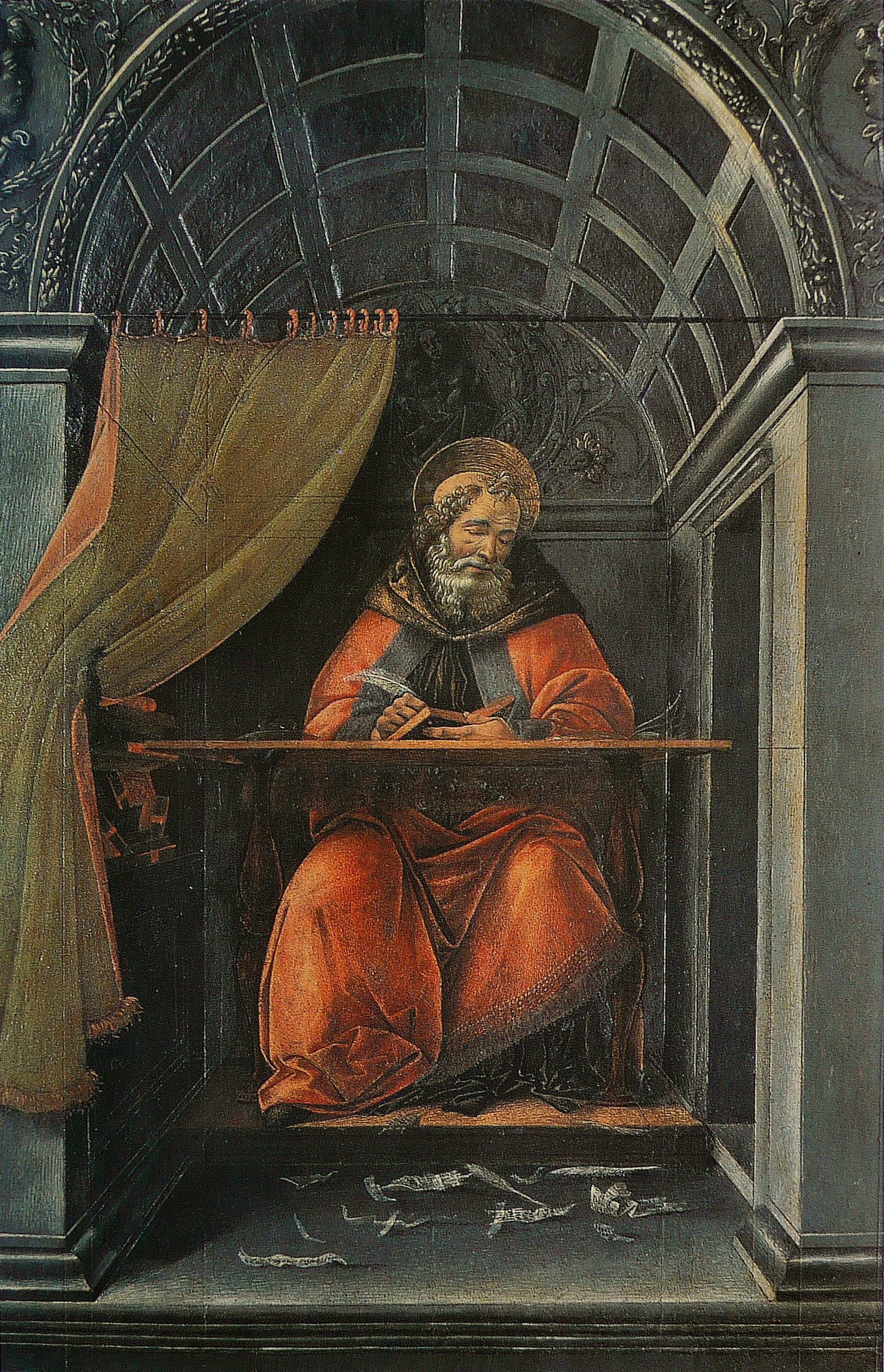
A point by point reply to a lost book by Pelagius that argued human nature retains the full power to avoid sin. Augustine concedes the goodness of nature as created, then shows it wounded by the fall and unable to heal itself without the grace given in Christ. Composed around 415, it became one of the central texts of the Western doctrine of original sin and the necessity of grace, and it is the work in which Augustine first quotes Pelagius at length to refute him from his own words.
On Nature and Grace
Augustine of Hippo
The second volume continues the exposition through the belt of truth, the breastplate of righteousness, and the preparation of the gospel of peace, each receiving extended treatment. Gurnall's method combines close exegesis of the apostle's imagery with searching application to the practical experience of the Christian under trial and temptation.
The Christian in Complete Armour: Volume 2
William Gurnall
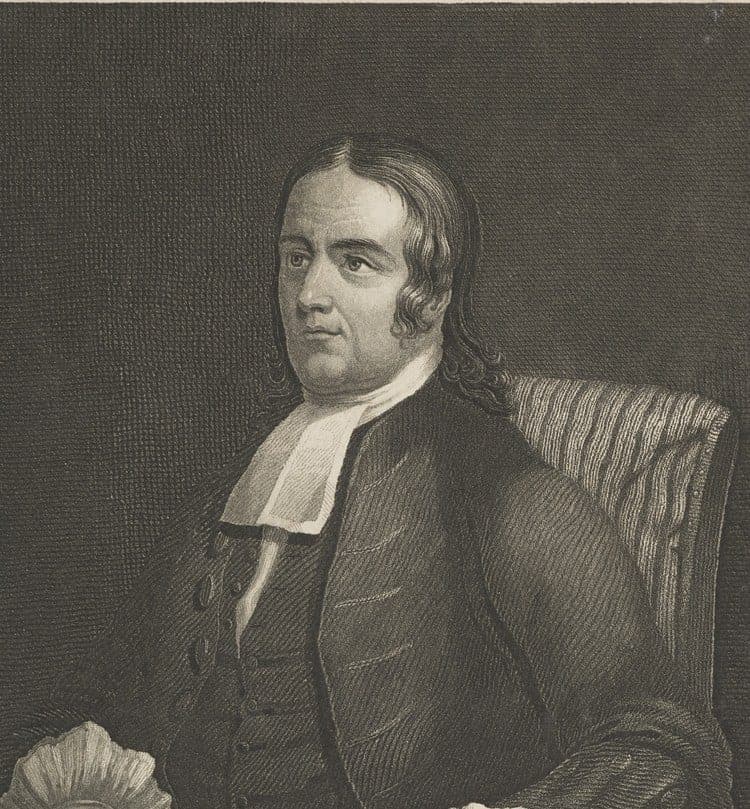
An extended meditation on Ecclesiastes 7:13, arguing that every affliction and difficulty in the believer's life is placed there by God and cannot be removed until he removes it. Published posthumously in 1737, it is Boston's most pastoral work, combining doctrinal precision with deep sympathy for those under hardship.
The Crook in the Lot
Thomas Boston
The foundational text of Christian historiography, written by the bishop of Caesarea in the early fourth century. Eusebius traces the succession of apostles and bishops, the spread of the Gospel, heresies and their refutations, the fate of the Jewish nation, the persecutions under Rome, and the martyrs who died in witness to the faith, from the time of Christ through the reign of Constantine. The only surviving continuous account of the first three centuries of the church.
Church History
Eusebius of Caesarea
Bunyan's spiritual autobiography, written in prison, recounts his years of spiritual terror and eventual peace through the gospel. Raw, honest, and theologically serious, it reads like a spiritual companion to Augustine's Confessions.
Grace Abounding to the Chief of Sinners
John Bunyan
The first of five books against Gnosticism, written by the Bishop of Lyon in the late second century to expose the Valentinian system and its offshoots. Irenaeus describes each sect's cosmological myths in their own terms before dismantling them, giving us the most comprehensive account of second-century Gnosticism that survives. It opened a new genre: systematic engagement with heresy, showing what the Church believed by showing what it rejected.
Against Heresies: Book One
Irenaeus of Lyon
Produced by an international Reformed synod convened to address the Arminian controversy, the Canons of Dort define the five heads of Calvinist soteriology: total depravity, unconditional election, definite atonement, irresistible grace, and perseverance of the saints.
Canons of Dort
Synod of Dort
Written in the late first or early second century, this early Christian letter argues that the Old Testament covenant was never truly Israel's, and that its laws were always meant to be read as allegory pointing to Christ. Its three interlocking arguments cover the abolition of Jewish ritual, the spiritual reinterpretation of the Mosaic law, and a closing two-ways section on Christian ethics. Preserved complete in the Codex Sinaiticus and treated as scripture by some early churches, it remains the most uncompromising supersessionist text among the Apostolic Fathers.
The Epistle of Barnabas
Anonymous
Commissioned by Elector Frederick III of the Palatinate, the Heidelberg Catechism covers sin, salvation, and gratitude across 129 questions organized into 52 Lord's Days. It opens with one of the most beloved questions in Christian history: what is your only comfort in life and death?
Heidelberg Catechism
Zacharias Ursinus and Caspar Olevianus
A point by point reply to a lost book by Pelagius that argued human nature retains the full power to avoid sin. Augustine concedes the goodness of nature as created, then shows it wounded by the fall and unable to heal itself without the grace given in Christ. Composed around 415, it became one of the central texts of the Western doctrine of original sin and the necessity of grace, and it is the work in which Augustine first quotes Pelagius at length to refute him from his own words.
On Nature and Grace
Augustine of Hippo
The second volume continues the exposition through the belt of truth, the breastplate of righteousness, and the preparation of the gospel of peace, each receiving extended treatment. Gurnall's method combines close exegesis of the apostle's imagery with searching application to the practical experience of the Christian under trial and temptation.
The Christian in Complete Armour: Volume 2
William Gurnall
An extended meditation on Ecclesiastes 7:13, arguing that every affliction and difficulty in the believer's life is placed there by God and cannot be removed until he removes it. Published posthumously in 1737, it is Boston's most pastoral work, combining doctrinal precision with deep sympathy for those under hardship.
The Crook in the Lot
Thomas Boston
The foundational text of Christian historiography, written by the bishop of Caesarea in the early fourth century. Eusebius traces the succession of apostles and bishops, the spread of the Gospel, heresies and their refutations, the fate of the Jewish nation, the persecutions under Rome, and the martyrs who died in witness to the faith, from the time of Christ through the reign of Constantine. The only surviving continuous account of the first three centuries of the church.
Church History
Eusebius of Caesarea
Bunyan's spiritual autobiography, written in prison, recounts his years of spiritual terror and eventual peace through the gospel. Raw, honest, and theologically serious, it reads like a spiritual companion to Augustine's Confessions.
Grace Abounding to the Chief of Sinners
John Bunyan
The first of five books against Gnosticism, written by the Bishop of Lyon in the late second century to expose the Valentinian system and its offshoots. Irenaeus describes each sect's cosmological myths in their own terms before dismantling them, giving us the most comprehensive account of second-century Gnosticism that survives. It opened a new genre: systematic engagement with heresy, showing what the Church believed by showing what it rejected.
Against Heresies: Book One
Irenaeus of Lyon
Produced by an international Reformed synod convened to address the Arminian controversy, the Canons of Dort define the five heads of Calvinist soteriology: total depravity, unconditional election, definite atonement, irresistible grace, and perseverance of the saints.
Canons of Dort
Synod of Dort
Written in the late first or early second century, this early Christian letter argues that the Old Testament covenant was never truly Israel's, and that its laws were always meant to be read as allegory pointing to Christ. Its three interlocking arguments cover the abolition of Jewish ritual, the spiritual reinterpretation of the Mosaic law, and a closing two-ways section on Christian ethics. Preserved complete in the Codex Sinaiticus and treated as scripture by some early churches, it remains the most uncompromising supersessionist text among the Apostolic Fathers.
The Epistle of Barnabas
Anonymous
Commissioned by Elector Frederick III of the Palatinate, the Heidelberg Catechism covers sin, salvation, and gratitude across 129 questions organized into 52 Lord's Days. It opens with one of the most beloved questions in Christian history: what is your only comfort in life and death?
Heidelberg Catechism
Zacharias Ursinus and Caspar Olevianus
A point by point reply to a lost book by Pelagius that argued human nature retains the full power to avoid sin. Augustine concedes the goodness of nature as created, then shows it wounded by the fall and unable to heal itself without the grace given in Christ. Composed around 415, it became one of the central texts of the Western doctrine of original sin and the necessity of grace, and it is the work in which Augustine first quotes Pelagius at length to refute him from his own words.
On Nature and Grace
Augustine of Hippo
The second volume continues the exposition through the belt of truth, the breastplate of righteousness, and the preparation of the gospel of peace, each receiving extended treatment. Gurnall's method combines close exegesis of the apostle's imagery with searching application to the practical experience of the Christian under trial and temptation.
The Christian in Complete Armour: Volume 2
William Gurnall
An extended meditation on Ecclesiastes 7:13, arguing that every affliction and difficulty in the believer's life is placed there by God and cannot be removed until he removes it. Published posthumously in 1737, it is Boston's most pastoral work, combining doctrinal precision with deep sympathy for those under hardship.
The Crook in the Lot
Thomas Boston
Get notified when we add something new
New Puritan classics, devotionals, and reading plans, sent occasionally. No spam, and you can unsubscribe anytime.